

La réunion annuelle du Groupe de travail «FRAC-IBS» s'est tenue à Monheim (Allemagne) du 18 au 20 octobre 1996, accueillie par la société Bayer. Les participants représentaient les principales sociétés productrices de fongicides inhibiteurs de biosynthèse de stérols (IBS). La rencontre a permis de faire le point sur les résultats des surveillances (monitoring) des résistances aux IBS entreprises par les sociétés agrochimiques ou réalisées par des organismes parrainés par elles. Les principales cultures et parasites examinés ont été: I'orge (Erysiphe graminis f.sp.hordei, Pyrenophora teres, Rhynchosporium secalis), le blé (Erysiphe graminis f.sp. tritici, Puccinia recondita, Septoria tritici), la vigne (Uncinula necator), les pommiers (Venturia inaequalis), bananes (Mycosphaerella fijiensis) et betteraves à sucre (Cercospora beticola), ainsi que pour la première fois les traitements après récolte. Les résultats de surveillance sont encourageants: on note souvent une réaugmentation de la sensibilité des parasites là où des recommandations d'usage raisonné des IBS avaient été publiées et suivies. Ces recommandations pour chaque couple culture/maladie sont donc plus que jamais d'actualité. Elles reflètent la stratégie de l'industrie agrochimique pour la gestion des problèmes de résistance à ces produits. The annual meeting of the "" FRAC-IBS "" working group was held at Monheim (Germany) from 18 to 20 October 1996, hosted by the Bayer group. Those attending were representatives of the main SBI fungicide manufacturers. The meeting reviewed the results of monitoring of resistance to SBI fungicides which had been carried out by agrochemical companies or by organisations sponsored by them.
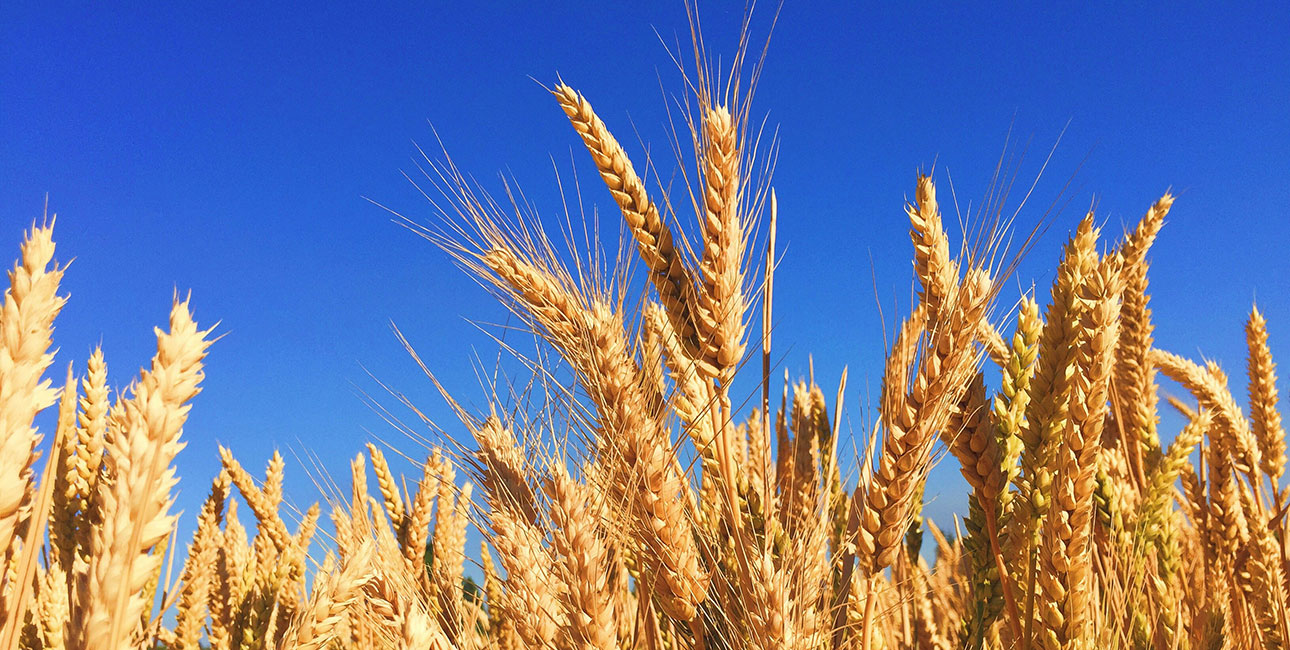
The main crops and parasites studied were as follows : barley (Erysiphe graminis f.sp. hordel, Pyrenophora teres, Rhyncosporium secalis), wheat (Erysiphe graminis f.sp. tritici, Puccinia recondita, Septoria tritici), grapevine (Uncinula necator), apples (Venturia inaequalis), bananas (Mycosphaerella fijiensis) and sugarbeet (Cercospora beticola), and ? for the first time ? post-harvest treatments.
Monitoring produced encouraging results : there is often a resurgence in the sensitivity level of parasites in areas where recommendations for the integrated use of SBI fungicides have been published and followed. The importance of such recommendations for each crop/disease pair is therefore more clear than ever before. They mirror the strategy of the agrochemical industry for the management of problems of resistance to these products.