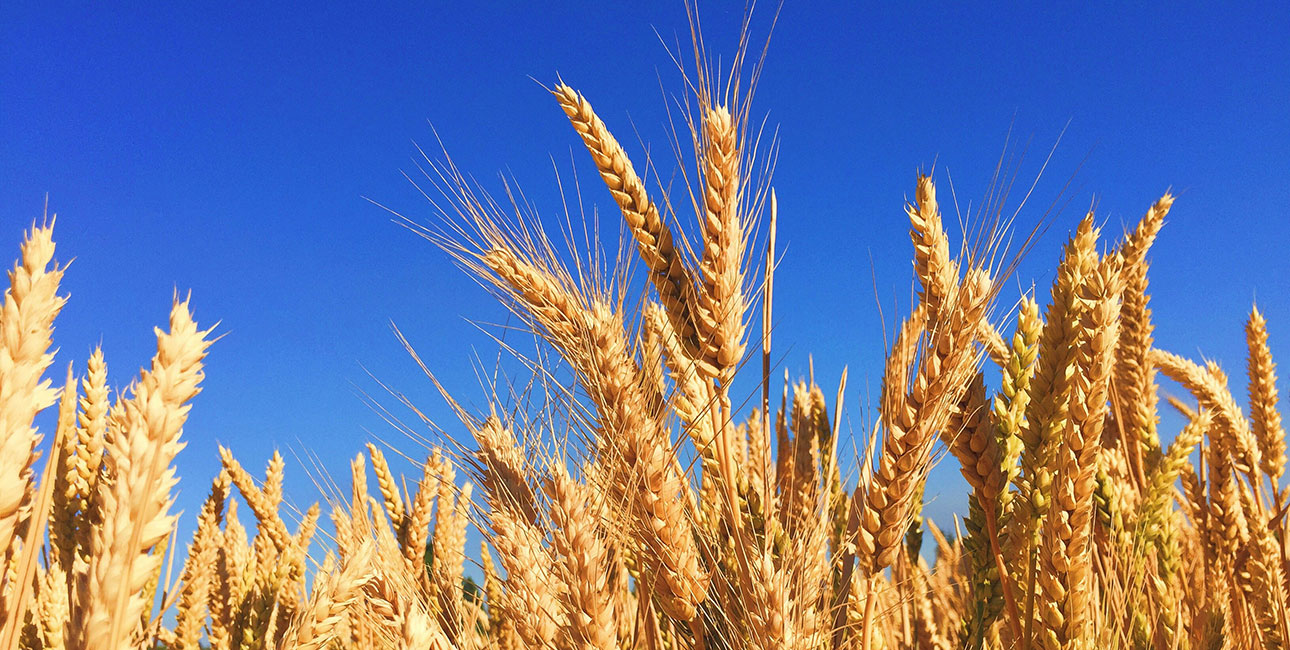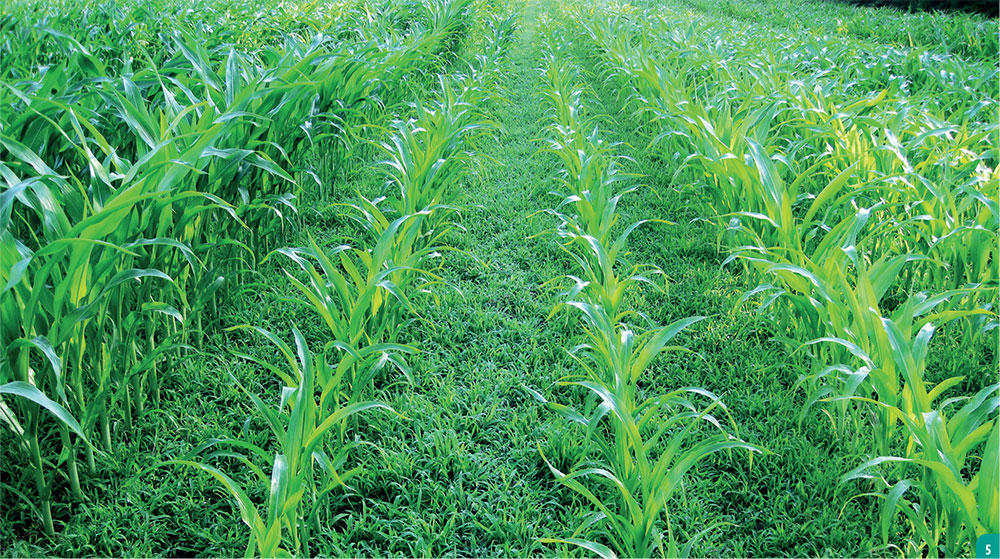


Les rendements céréaliers 2000/2001 ont été décevants sauf pour les orges d'hiver.
Le climat de mi-octobre à avril (forte pluviométrie, températures douces) a entraîné retards de semis et/ou problèmes d'implantation, favorisé les mauvaises herbes et les limaces, retardé les désherbages et mis en place un fort potentiel de maladies.
En mai des chaleurs sèches ont freiné l'expression des maladies, sauf le piétin-verse à l'origine d'échaudages sur blé et la rhyncosporiose sur orges d'hiver ; sur blé la rouille jaune, la rouille brune (symptômes atypiques observés) et les septorioses n'ont pas eu d'impact exceptionnel sur les rendements ; c'est le climat qui les a le plus affectés (remplissage du grain) ; les maladies des épis sont restées discrètes. Petite année pour les insectes classiques (pucerons d'automne et des épis, etc.) cependant que les limaces et quelques insectes secondaires (criocères, etc.) se sont fait remarquer.
Les désherbages d'automne et sortie d'hiver, certes efficaces, n'ont concerné que 20 % de la sole. Le reste a été désherbé tard, les adventices ayant déjà été nuisibles (concurrence vis-à-vis des cultures). Une partie d'entre elles n'a pu être maîtrisée, notamment les graminées résistantes en légère extension (vulpin des champs, ray-grass) mais aussi des graminées ou dicotylédones sensibles mais trop développées pour les doses d'herbicides apportées.
Le suivi de la qualité des eaux a montré que certains désherbages « entre deux pluies » ont entraîné des contaminations d'eaux de surface dans certaines régions. With the exception of winter barley, cereal yields during the 2000/2001 season were disappointing.
The climatic conditions between mid-October and April (high rainfall, mild temperatures) led to delays in seeding and/or planting out, encouraged the development of weeds and slugs, delayed weed control and increased the potential of outbreaks of disease.
In May, dry hot conditions put a break on the development of diseases, except for foot rot and take-all which led to shrivelling on corn, and rhyncosporiosis on winter barley.
On wheat, yellow rust, brown rust (atypical symptoms were observed) and glume blotch did not have any major effect on yields.
Once again, it was the climate which played the most significant role. Ear diseases kept a low profile. It was also a quiet year for traditional insect pests (e.g. autumn aphids, grain aphids ; slugs however, and certain secondary insects (e.g. cereal leaf beetle) gave some cause for concern.
Autumn and late winter weed control, although effective, was only carried out on 20% of plots. Others were controlled late, when weeds had already caused damage by way of competing with the crop itself. Some weeds were not successfully controlled, mainly resistant grasses (such as back grass and rye grass), but also sensitive grasses and dicotyledons which had been allowed to develop and were not affected by the herbicide doses applied. Water quality monitoring showed that certain weed control operations carried out between two periods of rainfall led to contamination of surface water in certain regions.